 Rugs
Rugs
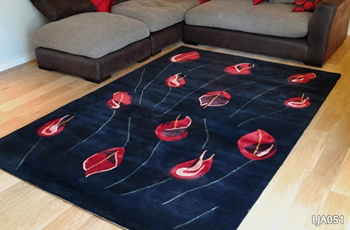
Rugs are often overlooked in favour of distinctive furniture and colourful internal décor designs, but in fact these timeless pieces can act as a unique vocal point within any room of your home, regardless of existing space. Whether they are machine woven or hand-crafted by a community on the other side of the world, rugs remain a popular choice with customers looking to add a sense of warm sophistication to their living space.
 Cheap Rugs
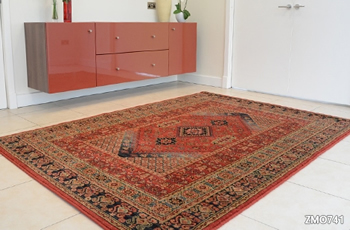
Anyone searching for cheap rugs needs to consider a number of important factors before committing to a purchase. Naturally, you need to make sure you’re getting the very best value for money available, but while cheap rugs are a great option if you’re on a strict budget, you still want to choose a rug that is going to be hardwearing enough to last for years to come, especially if it’s going to be placed in a room with heavy footfall.
 Rug
Rug
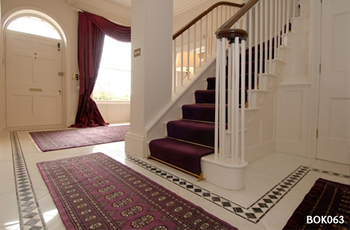
Most consumers normally have a good idea of what they’re looking for as they begin to browse modern rug collections. It’s always best to measure your designated space in advance, of course, as you need to make sure that the rug you choose is available in your required specifications. A lot of manufacturers will give you the option to purchase a rug that has been crafted to exact measurements, too, so look out for these companies if you need to find a carpet to fit a tight corner or oddly-shaped floor.
 Rugs UK
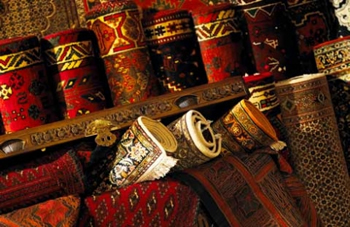
Rugs in the UK are normally categorised according to the unique features of their designs. Oriental rugs are often hand-knotted in countries such as China, India, Afghanistan and Pakistan and are famed for their intricate embroidery and exquisite detail. These classic yet modern rugs, which are then shipped for sale in the UK, may also incorporate dragon-inspired patterns into their designs, along with remarkably meticulous needlepoint impressions that ooze beauty and elegance.
Rugs for Sale
There are plenty of rugs for sale from various worldwide weavers and manufacturers and the majority of these companies will offer its customers a variety of restoration and aftercare solutions. After all, you want to make sure your rug is kept in great condition so it can be enjoyed for generations to come! When approaching retailers offering rugs for sale, we would highly recommend talking to your representative about the wide range of care options available. Any trained specialist offering rugs for sale will be happy to recommend tips that’ll help prevent your item from fading, fraying or unravelling, and there are plenty of affordable products on the market that can prolong the life of such modern rugs. Be mindful that cheap rugs can also become damaged by playful children or mischievous pets, so take every care to place these items out of harm’s way where possible.
 Modern Rugs
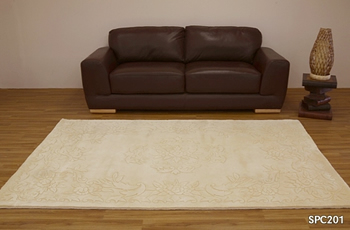
There are plenty of modern rugs designers, both in the UK and across the globe, who are providing the industry with cutting-edge collections suitable for anyone’s taste. Many homeowners still wish to opt for neutral, earthy tones to create a more traditional look, while there are plenty of people searching for modern rugs with unique, stand-out designs. Complement your interior design scheme with single-colour cheap rugs or choose bold, vibrant patterns for a great impact.
Large Rugs
Large rugs are consistently in vogue and remain a favourite amidst homeowners looking to utilise floor space in the best way possible. However, aside from the aesthetic appeal of large rugs, it’s important to think practically about its purpose within your room. You also may need to consider purchasing an underlay to prevent your large rugs from slipping, especially if you’re placing them on hard or wooden floors.